







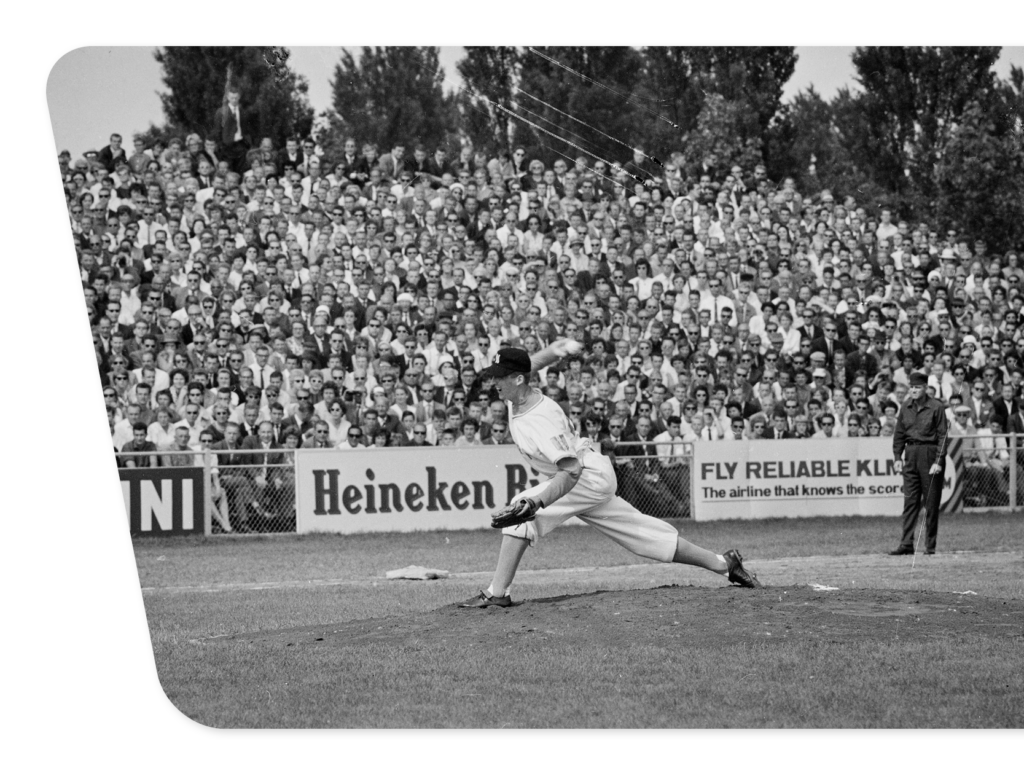
The sport that is still sometimes affectionately referred to as America’s National Pastime has been losing ground to sports like American football, basketball, and soccer for years. To turn the tide and make the sport faster, more spectacular, and more surprising to a younger audience, several rule changes have been tested in recent years. In this first installment of a three-part series on The Future of Baseball, we look at the three changes that were supposed to bring more action, more hits, and more stolen bases in 2023.
PITCH CLOCK
A baseball game is a day out, and most die-hard baseball fans have no problem with the fact that a game can last anywhere from an hour to three, but if you want to attract new audiences, you’re going to have to offer them a faster pace of play. One area where there seemed to be room for improvement was the time pitchers took between pitches, so this was limited by what was called a pitch clock or pitch timer.
With no runners on base, the pitcher is allowed only 15 seconds to deliver another pitch, with an additional five seconds added if a runner does reach base. The implications of this rule change are enormous. Games are, on average, half an hour shorter, and there is clearly more momentum in the game. Moreover, it also makes stealing bases more appealing, but more on that later, because you need runners on base first.
NO MORE SHIFT
The widespread use of data has radically transformed the sport. On offense, teams are increasingly focused on hitting home runs, while the defense has been locked down by defensive shifts: repositioning outfielders and creating favorable matchups calculated down to the inch. All of this ensured that a large percentage of at-bats resulted in one of three outcomes: a strikeout, a walk, or a home run. In other words, the ball rarely made it back into the field.
As spectacular as a home run can be, this trend made the sport more static, predictable, and therefore more boring. Part of the solution would be to get more runners on base, so it had to become worthwhile again to aim for a base hit. It was decided to ban the shift. So from now on, no more middle infielders positioning themselves on the opposite side of second base when the data shows that’s where the batter is hitting most of his hits.
Although the number of home runs, strikeouts, and walks per game actually increased, the new rule did result in more runners on base. Now, if those runners on base were to take a few more risks, the game would be much more exciting to watch—and let that be the final change we’ll discuss today: the larger bases.
GREATER HONKS
It’s not that the bases are suddenly much larger now. First, second, and third base have been enlarged from 15 to 18 square inches, while home plate retains the same dimensions. The main purpose of this change is to protect the players, as it gives both the defender and the base runner more space, thereby reducing the likelihood of a collision. These new bases were already being tested in the Minor Leagues, and indeed, the number of injuries caused by such collisions dropped by 13%.
A side benefit of this is that it makes it more tempting for baserunners to attempt a steal. Aided by the fact that pitchers are still limited to two pickoff attempts, baserunners were clearly much more aggressive last season than in previous seasons. The number of stolen base attempts increased by 25%, while the success rate of those attempts also rose significantly.
So the new rules did exactly what they were supposed to. The sport has become faster, more spectacular, and more exciting, but above all, it has returned to its former glory.